Community direction leads
Knowledge holders, elders, cultural practitioners, and community partners define the values, questions, protocols, and acceptable uses. Epoch supports that direction with research and technical work.
Our approach
Epoch works with communities and partners to carry cultural values and living knowledge through ethnobiological research, ecological analysis, decision-making, management, and learning. Communities represent their own cultures; Epoch facilitates and delivers the agreed work.
Working principles
Indigenous Knowledge is often confined to one project stage. Epoch aims to connect observation and oral knowledge with research, analysis, decisions, management action, and adaptive learning.
Knowledge holders, elders, cultural practitioners, and community partners define the values, questions, protocols, and acceptable uses. Epoch supports that direction with research and technical work.
Interviews and ethnobiological documentation are linked, where appropriate, to ecological analysis, decision support, management planning, implementation, and evaluation.
Ownership, access, storage, review, reuse, and release are established with interviewees and community partners through consent, project agreements, and data-sovereignty protocols.
When scoped and supported, project products can strengthen language archives and teaching materials, youth engagement, traditional foods and harvesting, and protection of culturally important species and places.
Programmatic integration
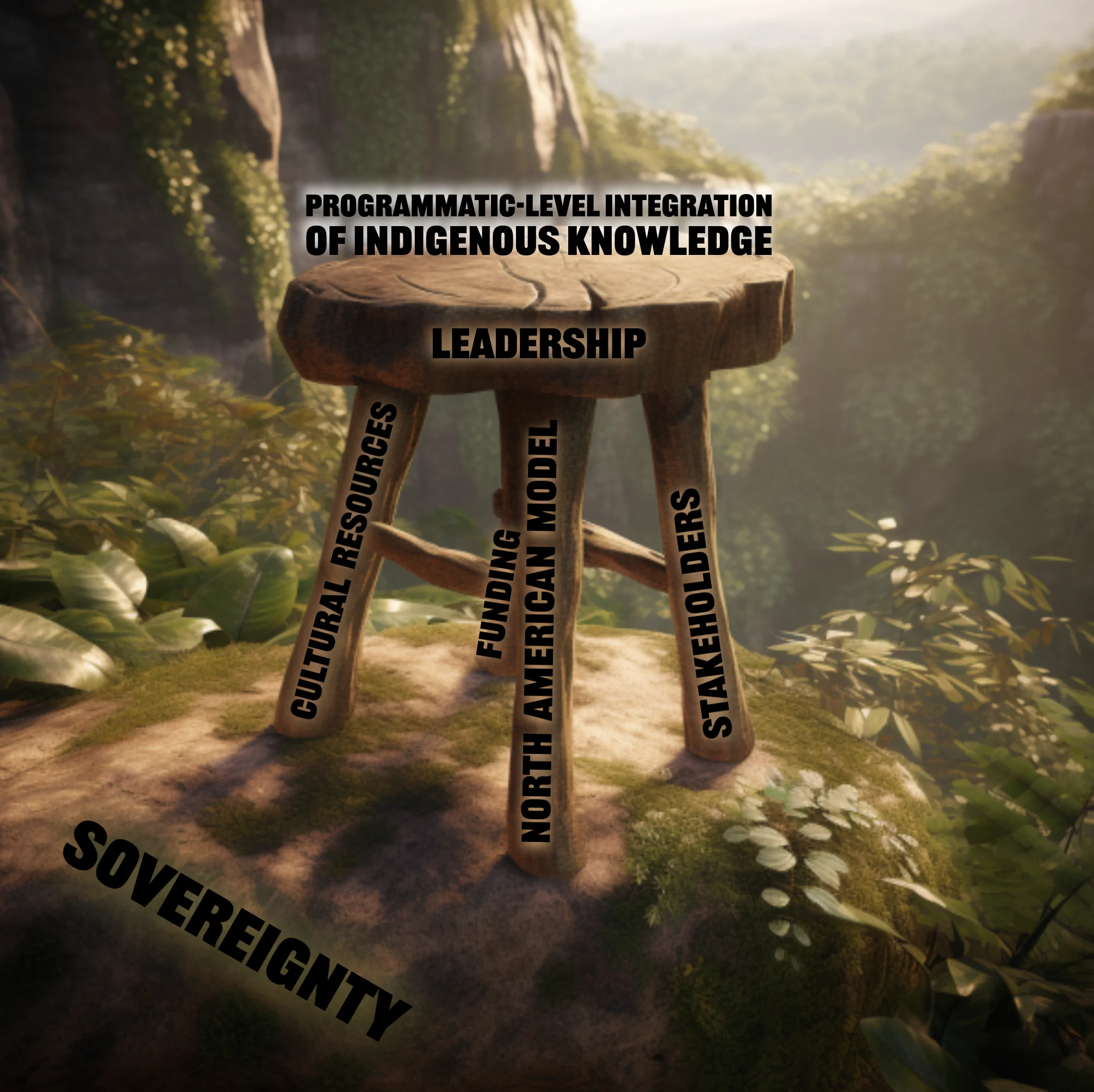
Indigenous Knowledge can be authentically documented and still remain isolated from decisions or management. Programmatic integration requires authority, cultural capacity, funding, stakeholder support, management institutions, and leadership.
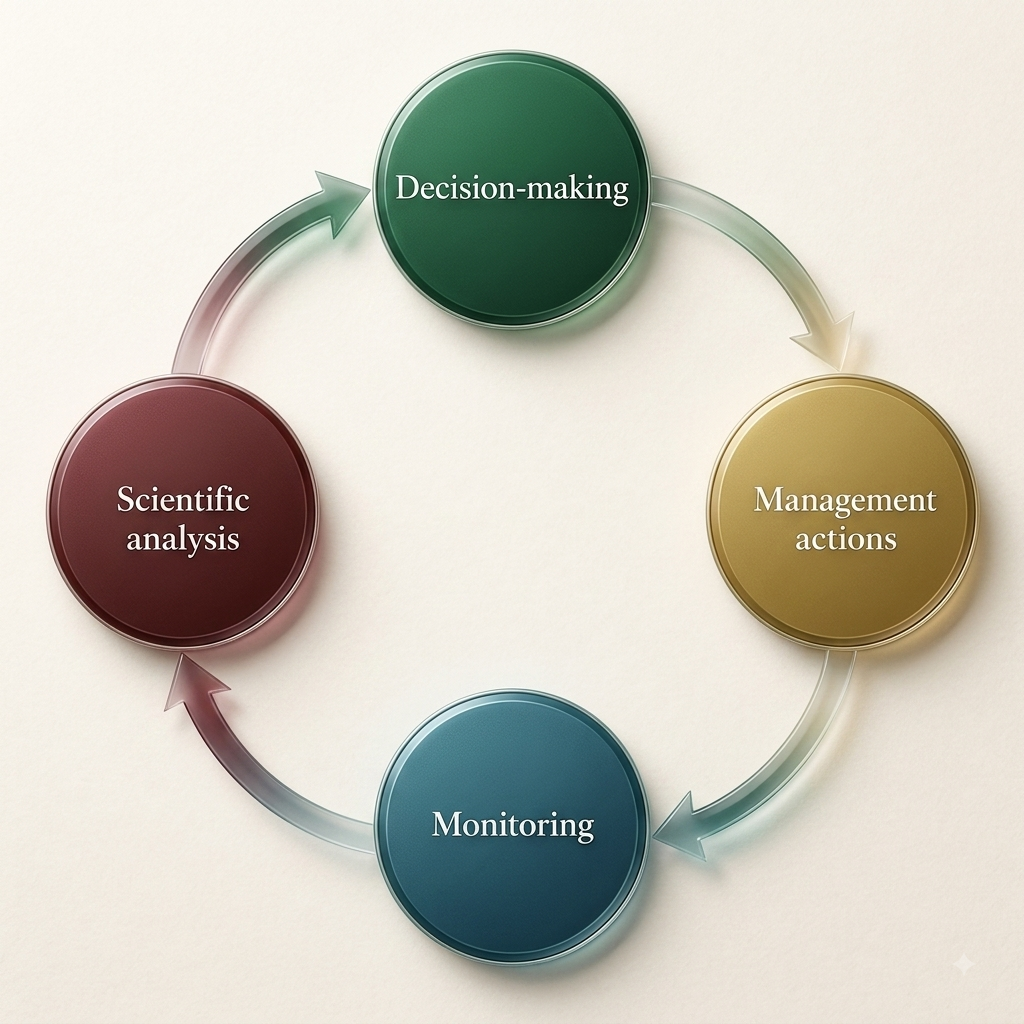
Connected project cycle
Ground
Establish who directs the work, what knowledge may be shared, what decisions matter, and how information will be governed.
Document
Conduct interviews, language and archival research, field study, and other data collection appropriate to the scope.
Integrate
Connect ethnobiological findings with ecological analysis, models, management alternatives, and documented uncertainty.
Apply and learn
Support decisions, implementation, education, restoration, or community use, then carry lessons into the next adaptive cycle.
Discuss a project
Epoch can help translate community and partner goals into a focused scope, clear governance, and usable products.
Chako@EpochEthnoEcology.com